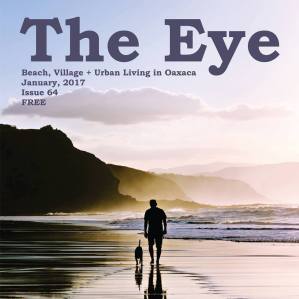
 This is my editorial from The Eye magazine this month. For those of you who don’t me personally, I am the editor of an English-language magazine in Mexico called The Eye, in addition to owning a restaurant and a cooking school. The magazine really allows me to explore different aspects of life in Mexico and connect with amazing writers and of course our readers. You can check out current and back issues online at http://www.TheEyeHuatulco.com or if you are fortunate enough to be in Oaxaca or Huatulco you can pick up a hard copy.
Happy New Year!
“The Seven Social Sins are:
Wealth without work.
Pleasure without conscience.
Knowledge without character.
Commerce without morality.
Science without humanity.
Worship without sacrifice.
Politics without principle.
From a sermon given by Frederick Lewis Donaldson in Westminster Abbey, London, on March 20, 1925.”
There has been a lot of chatter about how crappy 2016 was. The list of mishaps for humanity and social consciousness is staggering; Brexit, the US election, Syria, school shootings, a return to misogynistic and racist comments being socially acceptable and all the fake news, to mention just a few of the cringe-worthy items that happened this year. Headlines have become so ridiculous and we seem to be living in a time where truth really is stranger than fiction. With all of that, most of us are hoping that 2017 will be better. However, I doubt it will be. How can I be so cynical? Because 2017 isn’t a thing, it’s time. People in 2016 were full of hate, greed and intolerance. We are those people.
Even if you are thinking, ‘Well not me, I was good,’ or maybe you are thinking about all the good stuff you did in 2016: helping people out, donating to causes, listening to your daily affirmations on your new phone or in your car while you drove to work. I’m sure you work hard for all that you have and that you mean well – me too. But if 2017 is going to be better, we have to be better – a whole lot better! I don’t know if we can do it. We are selfish by nature.
How far would you go? Would you invite a stranger to live in your spare room to help the refugee crisis? Would you stop driving to help the environment? Would you tolerate a woman’s right to have an abortion, even if you don’t agree with it? Would you let a person choose which bathroom to use based on which gender they identify with, even if you don’t agree with their choice?
We need to: Love more. Support women’s rights. Protect children from human trafficking. No more walls. Read books. Stop watching shitty TV. Eat real food – support farmers. Walk more. Take public transportation. Talk to our neighbors. Stop buying stuff we don’t need – it won’t make us happy. Stop feeding the hate machine. Stop hating immigrants – it’s called globalization and it is part of our progress. Improve human rights in other countries- we need to stop buying cheap goods made by little hands. Pay more for less.
If we are really going to be better in 2017, we are going to have to sacrifice some of our comfort, some of our feeling of entitlement and start nourishing the love machine until peace, not violence and hatred, is the norm of our human condition.
See you next month,
Jane

 Hi ‘The Eye’ Readers!
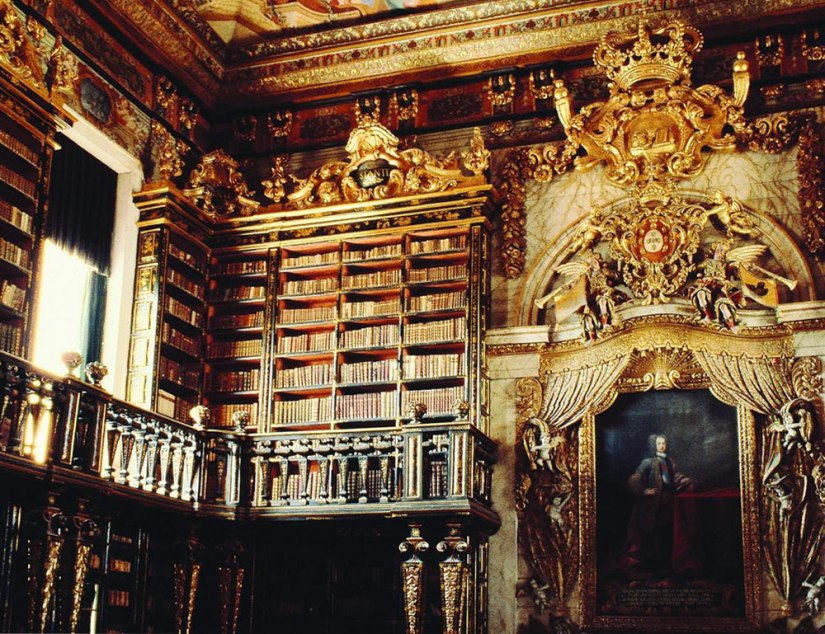 The country’s former capital is home to the oldest university and has a mind-blowing library with an outstanding rare books collection, including several versions of The Bible form the 14th century. One of the biggest “enemies” of the books is, apart from the humidity and temperature differences, the moths that feed on paper. The bookcases are made of oakwood which, apart from being extremely dense (making it difficult for the bugs to penetrate), has a scent that repels them. The books have yet another ally in this daily fight for conservation: the interior of this book temple houses a colony of bats which spend the night eating any insect that appears, thus freeing the books from their attack.
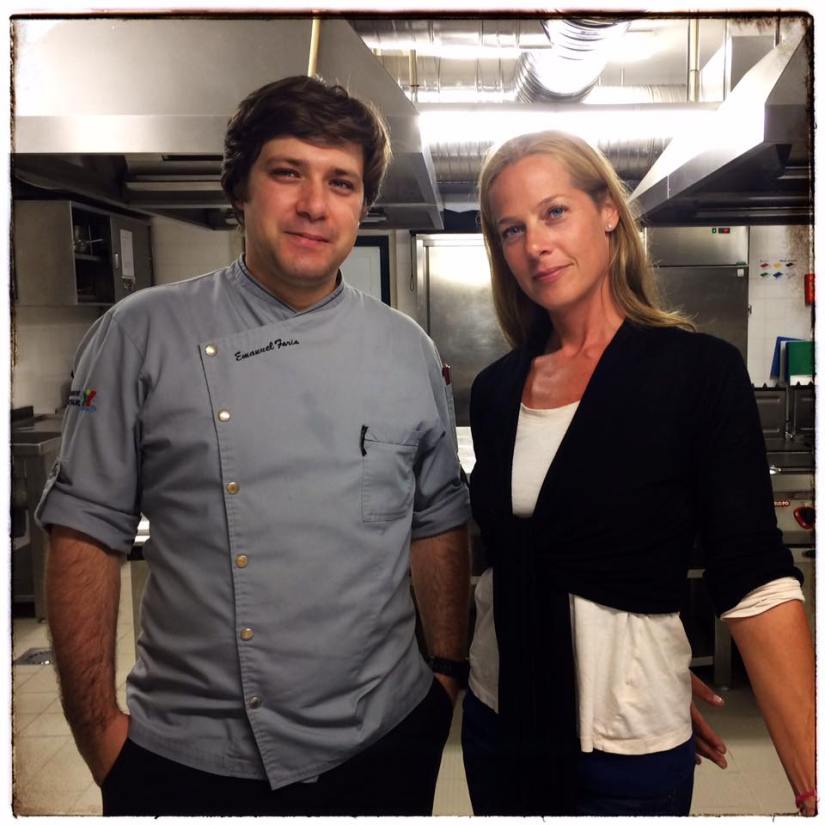
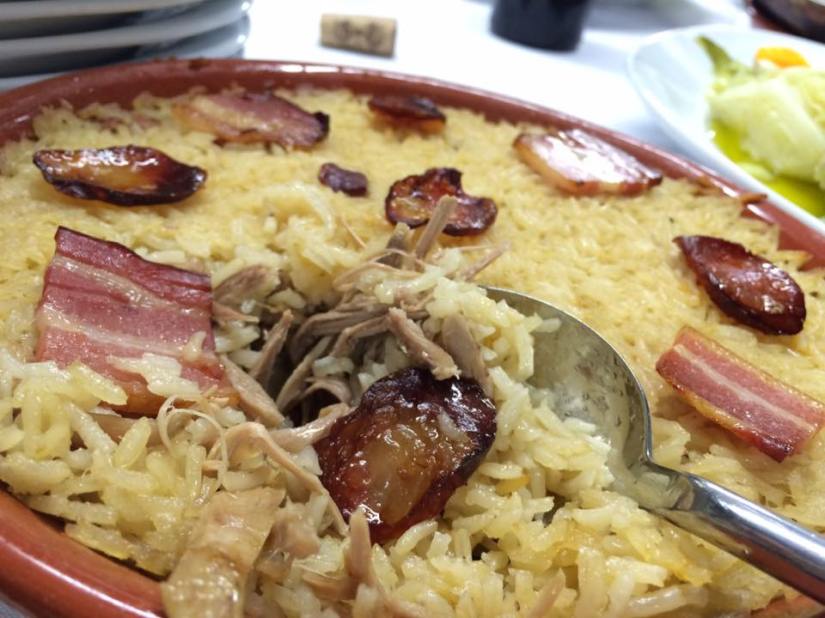

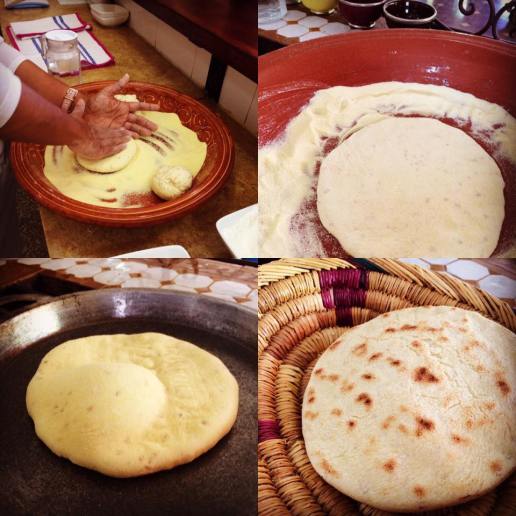
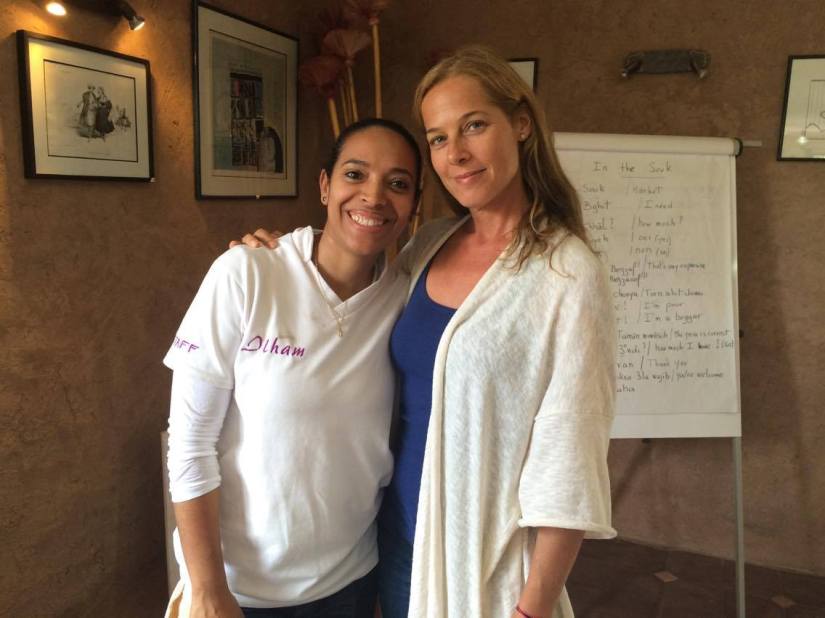 The highlight of the class was the opportunity to meet Ilam. When touring Morocco most of the Moroccan people you interact with are men. Most of the waiters, tour guides and even hotel staff tended to be men, so I really appreciated the chance to chat with Ilam over lunch.
 Carmen Thyssen, a baroness through her marriage to her third husband Heinrich and Miss Spain in 1961, started collecting art in the 1980s using her husband’s fortune. She amassed a collection that includes Monet, Braque, Hassam, Rubens, Degas and many more. There has been a lot of social scandal concerning her collection since her husband’s death that make her life sound like a telenovela. In the museum, the walls are all salmon pink, it is SO bold and one of the requirements made by Carmen. In 2011, she also opened a museum in Malaga that focuses primarily on 19th century Spanish art.
 The nameless woman in The Hotel Room by Edward Hopper is a wonderful piece for a solo female traveler to contemplate. Here is what the museum has to say about this extraordinary work:
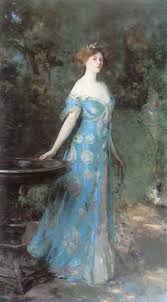 Duchess Millicent Sutherland painted by John Singer Sargent in 1904 was much more than a pretty face. A fierce advocate for social reform and better working conditions despite her social status, she was sometimes called ‘meddlesome Millie’. During WW1 she organized an ambulance unit and was recognized by the Belgium, French and British Red Cross for her work during the war. She was married three times and penned several novels. The 1926 review of her novel ‘That Fool of a Woman’ in The Saturday Review stated: The power of the book lies in an emotional but extremely intelligent style, in an analysis of character which is revealed as much by detail as by words, in a feeling for atmosphere (war-charged Europe is particularly real), but mostly in the fact that the heroine is a sentimental heroine with a brain. Never does she see her mistakes quite in time—but neither is she hopelessly stupid nor a wilful misrepresenter of unflattering fact. Lonely, lovely, sentimental creature that she is, very much too late she sees the wherefore and why of foolish choice and subsequent disaster.
 It’s my birthday, I am traveling (currently in Madrid) and one of the gifts I want to give myself is more time for writing … we’ll see how I do prioritizing this luxury.
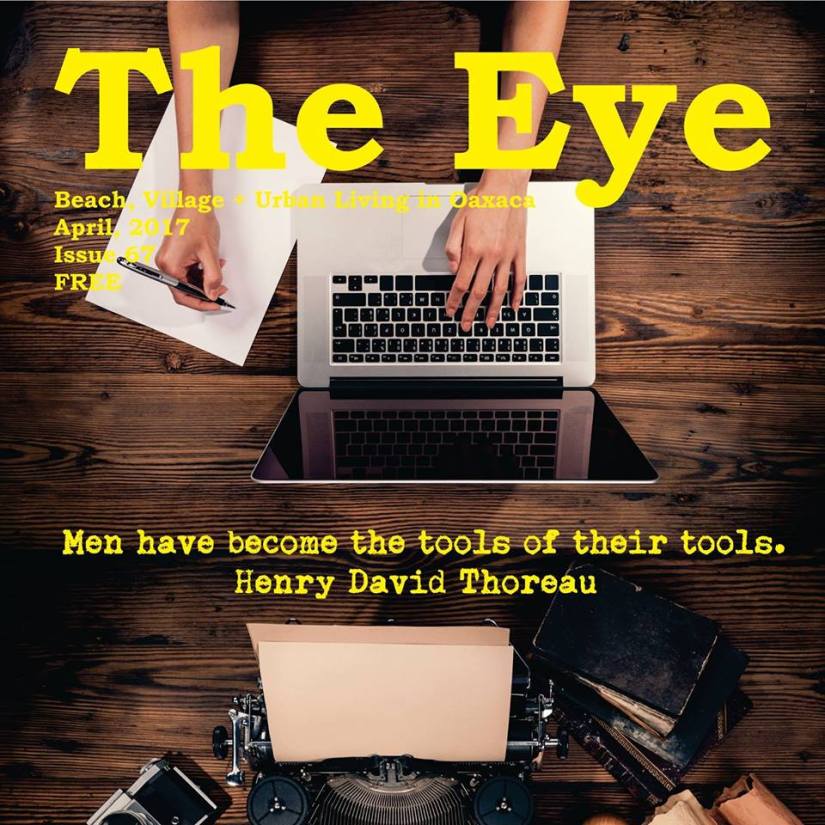 Editorial of the April issue of The Eye. Thanks for reading!
 Happy Love Month! This is my editorial from The Eye magazine this month. For those of you who don’t me personally, I am the editor of an English-language magazine in Mexico called The Eye, in addition to owning a restaurant and a cooking school. The magazine really allows me to explore different aspects of life in Mexico and connect with amazing writers and of course our readers. You can check out current and back issues online at
  I have been involved in several building projects while living in Mexico but none has been as exciting or as rewarding for me as our Chiles&Chocolate Cooking School. Located in the village of Zimatan, I wanted the building to fit in with the architecture of the buildings in this rural area. Most of the houses in the village are rectangular with small windows and galvanized metal roofing. Since our cooking classes showcase the beauty and dignity of Oaxacan cooking, our building needed to be a testament to that as well. In the same way a mole recipe evolves using the ingredients of a particular area, our building needed to use materials that were found around us; river rock, stone, wood and I felt the same should be applied to labor.
 Jane Bauer