


“The main facts in human life are five: birth, food, sleep, love and death.”
E.M. Forster
This is my editorial from the August 2019 issue of the magazine The Eye.
It’s our annual food issue! This month our writers explore lesser known ingredients and share their experiences of new food in new places. If you know me in person you know how important food is to me. I embrace the ethos that the best way to learn about a culture is through it’s food. So when I want to learn about people I ask ‘what are you eating?’
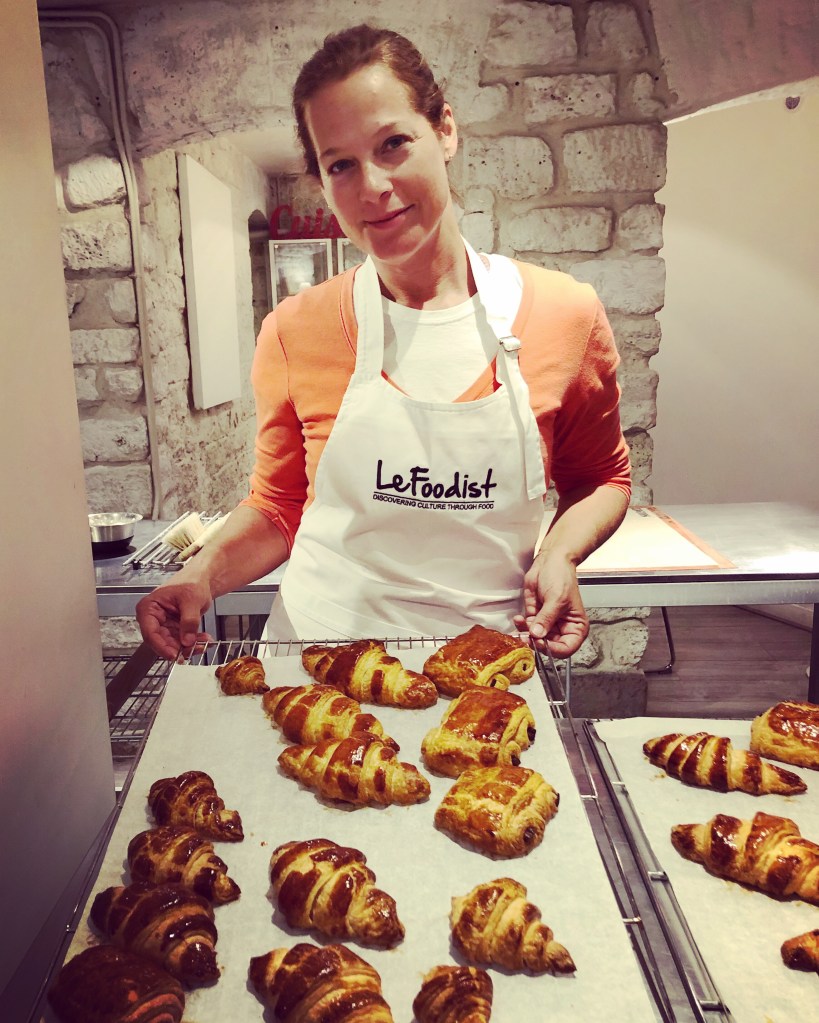
I just got back from a foodcation where I baked croissants in Paris and drank Pouilly Fume in the Loire Valley with a vintner whose family has been making wine for generations. I eased into long afternoon lunches of foie gras, leeks and red wine. Instead of post-meal siestas I took my cues from Paris’ best flaneurs and sat by the fountain in the Tuileries Garden people watching and enjoying the spectacle that is Paris.
Next I went to Delhi, India, where the chaos could not have been more different from the refined precision of Paris. I made butter chicken with chef Neha Gupta (www.saffronpalate.com) and while we made rotis we discussed what it is like to be women in business. This was especially interesting as very few women work in restaurants or hotels in India and the chance to interact with women was limited. Later in my journey, in Rishikesh, I was invited to join a home cook, Rashmi, while she prepared a feast of lentils and rice that was mouth-watering. It was an honor to be invited into her home and to participate in her everyday life.
There are many similarities between Indian and Mexican attitudes towards food as well a crossover of ingredients. Both cultures have a welcoming spirit and there is always enough to feed unexpected guests- the more the merrier. Ingredients seem to expand as you cook them and a small bag of groceries miraculously makes enough to feed a crowd.
While you may not be able to coordinate your own foodcation to Paris and India, you can have one right at home. Get together with friends, cook, explore new cuisines and new ingredients- invite the neighbors you never speak to over for paella or curry or tacos. Expand your palate and you will expand your circle of friends and knowledge of other cultures.
Happy eating and cooking!
Jane
 These French pastries (vol-au-vent) are everywhere! Their name means ‘windblown’ because they are so light. Growing up in Montreal my mother would use them to make her special ‘Chicken a la King’- covering the pastries with creamy chicken and veggies. In Veracruz there are street vendors selling volovanes from carts and every Veracruzano seems familiar with the call of the volovan vendor. I had an incredible crab volovan in the town of Tlacotalpan- the perfect marriage of pastry and seafood! I also had a chicken mole volovan at the Jarrito de Oro- my favorite café for breakfast! Side note: in 1838 there was a conflict between Mexico and France that has been dubbed ‘The Pastry War’. The urban legend is that some Mexican officers damaged the pastry shop of a Frenchman near Mexico City and the French government demanded restitution for these damages. In reality the war was fought because French citizens living in Mexico during a prolonged period of strife had their investments ruined and the Mexican government refused any sort of reparations, but it also had to do with long-standing Mexican debt. After a few months of blockades and naval bombardments of the port of Veracruz, the war ended when Mexico agreed to compensate France.

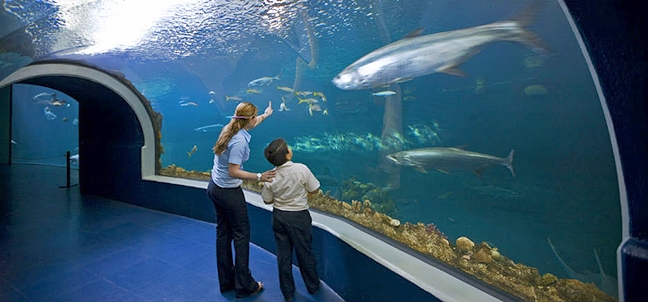 Veracruz has the largest and most important aquarium in Latin-American. While there are the cringe-worthy attractions such as shark-feeding and dolphin shows, there is also a selection 30 species of fish that many of the visitors to the aquarium would not have the chance to see anywhere else such the tambaquias, arowanas, pacus, red-tailed catfish, jackknife fish, African cichlids and many others in a tank holding an impressive 562,117 cubic liters of water.
 Hi ‘The Eye’ Readers!
 The country’s former capital is home to the oldest university and has a mind-blowing library with an outstanding rare books collection, including several versions of The Bible form the 14th century. One of the biggest “enemies” of the books is, apart from the humidity and temperature differences, the moths that feed on paper. The bookcases are made of oakwood which, apart from being extremely dense (making it difficult for the bugs to penetrate), has a scent that repels them. The books have yet another ally in this daily fight for conservation: the interior of this book temple houses a colony of bats which spend the night eating any insect that appears, thus freeing the books from their attack.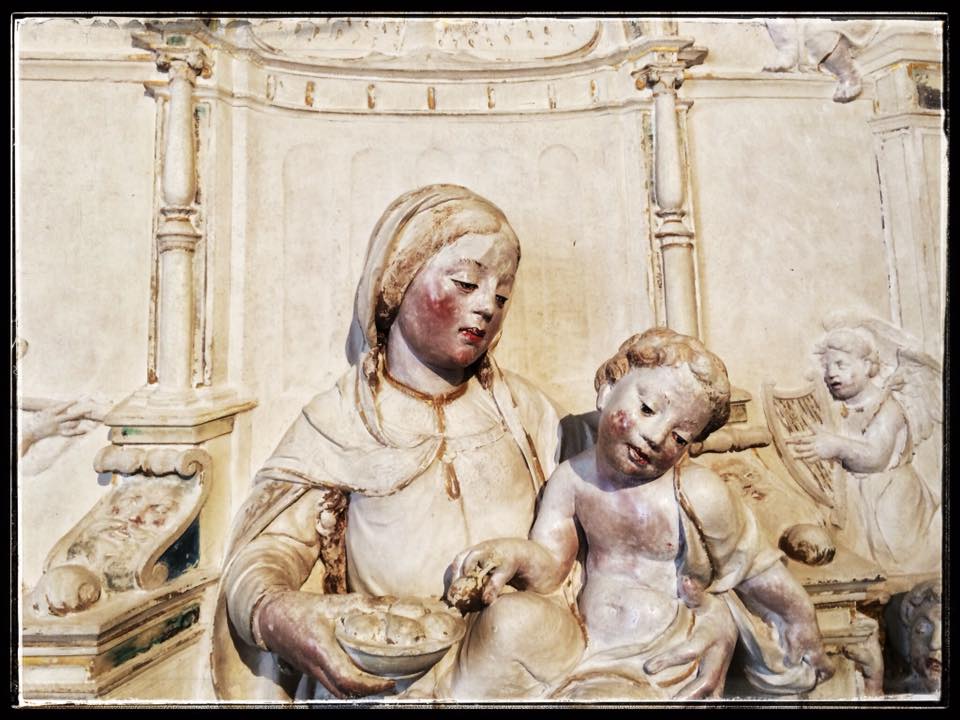


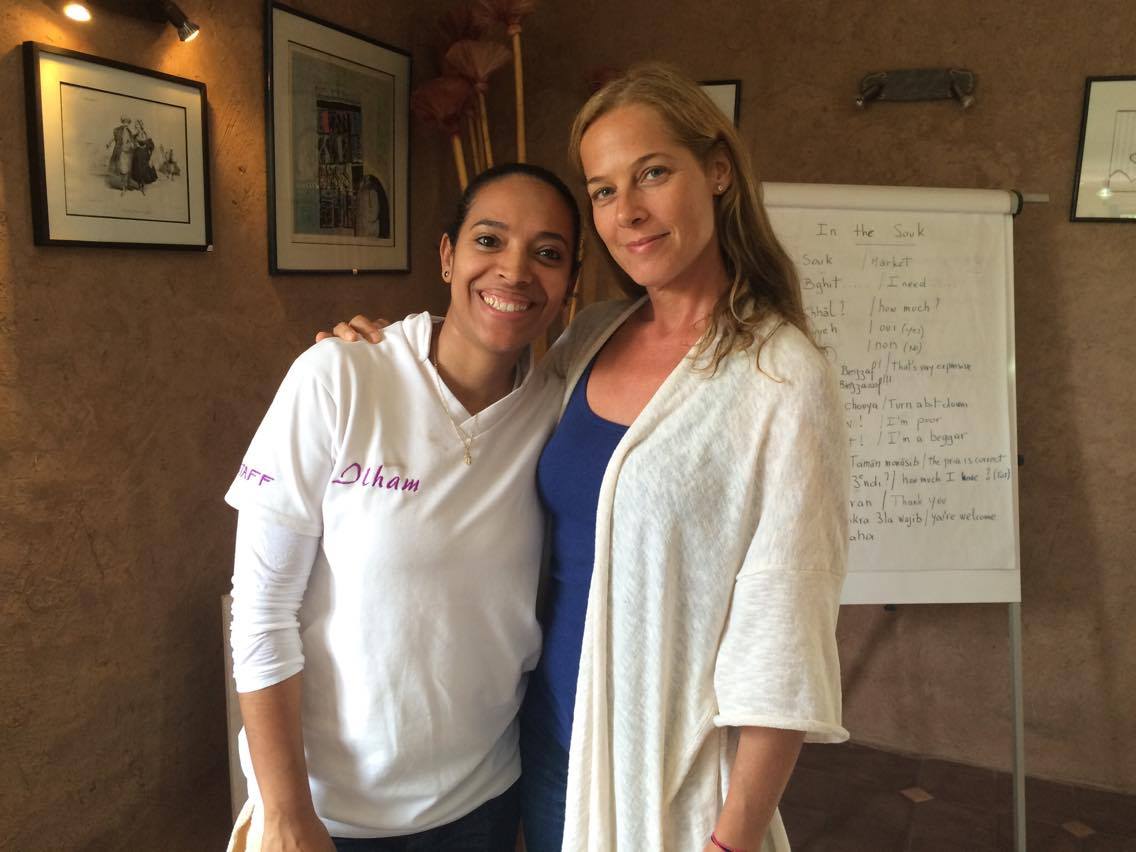 The highlight of the class was the opportunity to meet Ilam. When touring Morocco most of the Moroccan people you interact with are men. Most of the waiters, tour guides and even hotel staff tended to be men, so I really appreciated the chance to chat with Ilam over lunch.
 I have been involved in several building projects while living in Mexico but none has been as exciting or as rewarding for me as our Chiles&Chocolate Cooking School. Located in the village of Zimatan, I wanted the building to fit in with the architecture of the buildings in this rural area. Most of the houses in the village are rectangular with small windows and galvanized metal roofing. Since our cooking classes showcase the beauty and dignity of Oaxacan cooking, our building needed to be a testament to that as well. In the same way a mole recipe evolves using the ingredients of a particular area, our building needed to use materials that were found around us; river rock, stone, wood and I felt the same should be applied to labor.
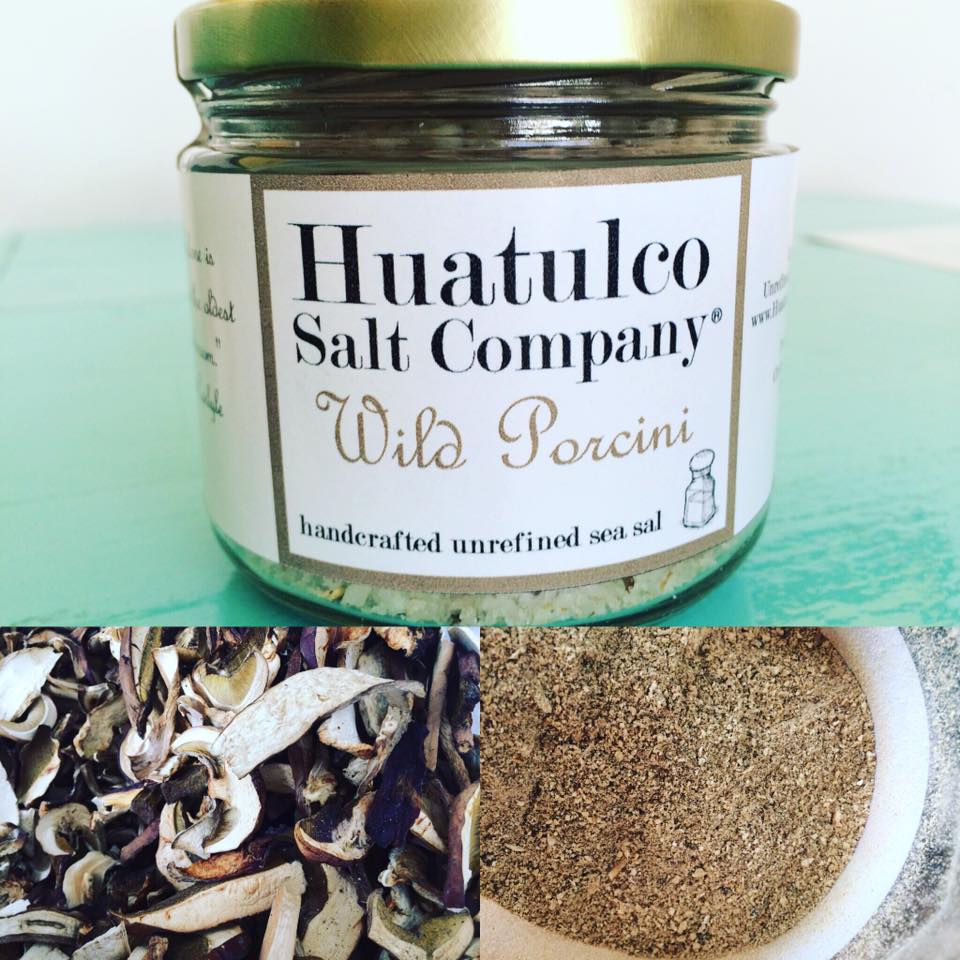 Our latest salt is made with wild porcinis from San Antonio Cuajimoloyas, a village 56 kilometers away from the Oaxaca city. Located 3200 meters above sea level, the high-altitude is the ideal climate for mushroom foraging in the rainy season. I had the privilege of attending the annual Mushroom Festival in Cuajimoloyas last July and in addition to porcinis we collected over 200 different types of fungi during our 6-hour hike.
 Living by the ocean, it is amazing to me that when I go to the corporate-owned supermarket the only seafood available is imported and most likely farmed. To get local fresh fish one needs to go find the guys with coolers on the street corner or small fish stalls.

 Jane Bauer