
There are so many places to explore in Mexico that for this year’s holiday I am doing several small trips within the country. First stop was Veracruz! From Huatulco it was a hassle-free seven-hour drive to Veracruz City one of Mexico’s oldest ports and also the first stop for Spanish conquistadors back in 1519. While Oaxaca is culturally rich in pre-colonial traditions, Veracruz is culturally-rich in Spanish influenced delicacies. Located on the Gulf of Mexico with a picturesque seawall for walking the city and a population of a million, Veracruz is a thriving metropolis.
My Top 3 Veracruzana experiences were:
 These French pastries (vol-au-vent) are everywhere! Their name means ‘windblown’ because they are so light. Growing up in Montreal my mother would use them to make her special ‘Chicken a la King’- covering the pastries with creamy chicken and veggies. In Veracruz there are street vendors selling volovanes from carts and every Veracruzano seems familiar with the call of the volovan vendor. I had an incredible crab volovan in the town of Tlacotalpan- the perfect marriage of pastry and seafood! I also had a chicken mole volovan at the Jarrito de Oro- my favorite café for breakfast! Side note: in 1838 there was a conflict between Mexico and France that has been dubbed ‘The Pastry War’. The urban legend is that some Mexican officers damaged the pastry shop of a Frenchman near Mexico City and the French government demanded restitution for these damages. In reality the war was fought because French citizens living in Mexico during a prolonged period of strife had their investments ruined and the Mexican government refused any sort of reparations, but it also had to do with long-standing Mexican debt. After a few months of blockades and naval bombardments of the port of Veracruz, the war ended when Mexico agreed to compensate France.
- Casas de Tablas.


Veracruz is a mish-mash of architectural styles and times. Old concrete houses are being abandoned for newer high rises and gated communities leaving some areas of the city less than aesthetically pleasing. However, one of my favorite areas was ‘La Huaca’ with its echoes of Havana. Specifically, I loved the colorful wooden ‘casas de tablas’. These flat board houses that were located outside the protection of the city walls in the 17th century, were said to be built by slaves who had been brought from Africa with the wood of old ships that washed ashore. To get inside one of these houses go have dinner at Fussion restaurant. An evening at Fussion is a complete delight! From the conscientious decor to the innovative dishes and excellent wine selection. I started with the shrimp and mole picaditas and the fig salad- both full of flavor. I loved the presentation of the black bean and lobster soup with cilantro oil. The venison salpicon paired well with bits of mango and avocado. For dessert there was a cake made with the traditional bread ‘marquesita’- similar to a biscotti. It was a perfect last bite of the evening. I highly recommend a dinner here!
https://www.facebook.com/fussion.restaurante.taller/
- Aquarium
 Veracruz has the largest and most important aquarium in Latin-American. While there are the cringe-worthy attractions such as shark-feeding and dolphin shows, there is also a selection 30 species of fish that many of the visitors to the aquarium would not have the chance to see anywhere else such the tambaquias, arowanas, pacus, red-tailed catfish, jackknife fish, African cichlids and many others in a tank holding an impressive 562,117 cubic liters of water.
While animal rights activists may protest, the facility promotes the preservation of the marine ecosystems and the care of the environment. In addition, the aquarium is government-owned and provides an important economy to the city of Veracruz.
To get to Veracruz from Huatulco you can fly with a stopover in CDMX although the easiest is to go via bus or car. Happy travels and thanks for reading!


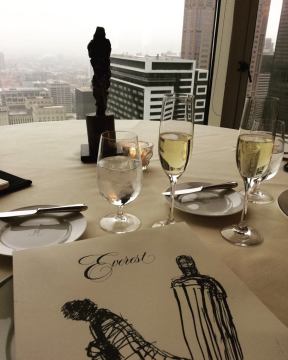
 Most days I need to pinch myself. When I moved to Mexico over 20 years ago I didn’t have a well-defined plan, I just knew that the options facing me in Canada were not what I was looking for. I wanted things simpler and purer than working for a large company and counting down the days until I could retire.
 Hi ‘The Eye’ Readers!
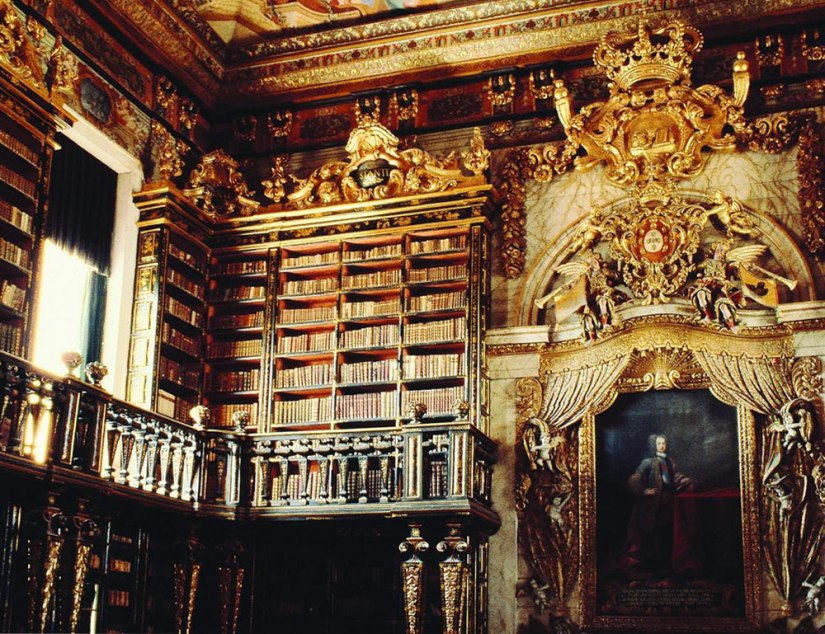 The country’s former capital is home to the oldest university and has a mind-blowing library with an outstanding rare books collection, including several versions of The Bible form the 14th century. One of the biggest “enemies” of the books is, apart from the humidity and temperature differences, the moths that feed on paper. The bookcases are made of oakwood which, apart from being extremely dense (making it difficult for the bugs to penetrate), has a scent that repels them. The books have yet another ally in this daily fight for conservation: the interior of this book temple houses a colony of bats which spend the night eating any insect that appears, thus freeing the books from their attack.
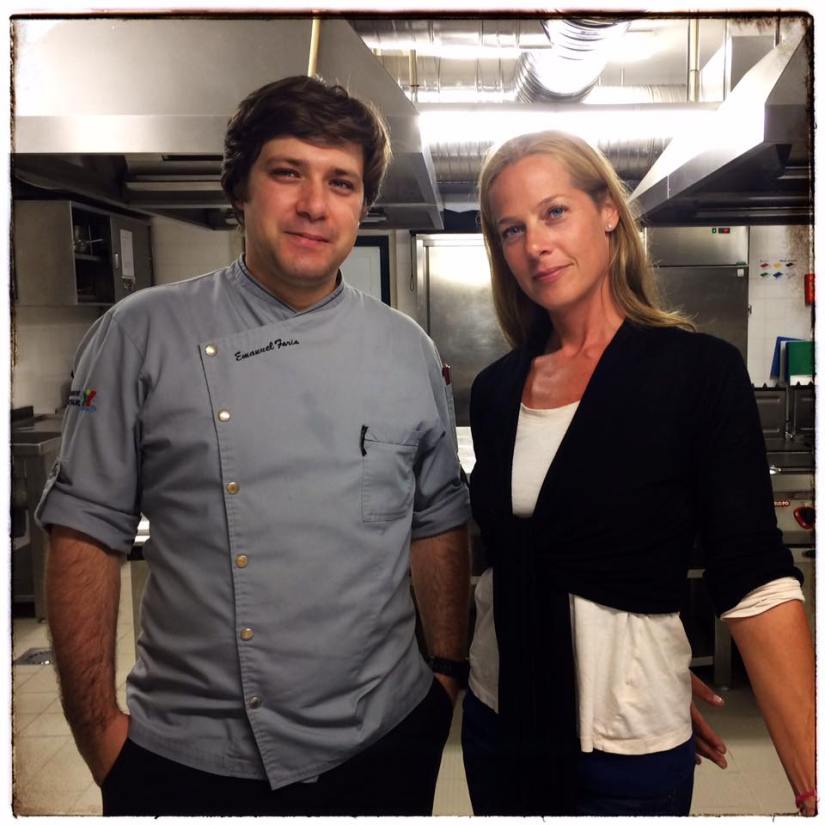
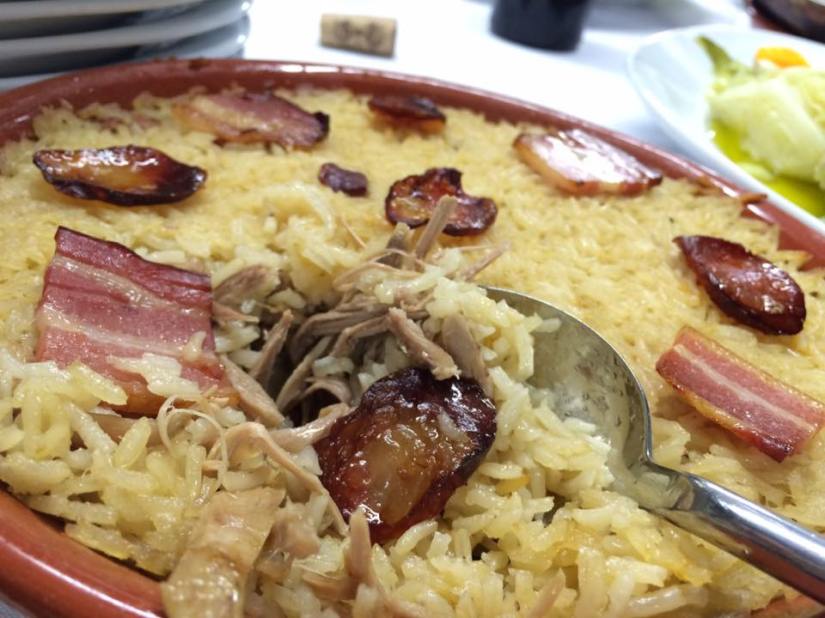

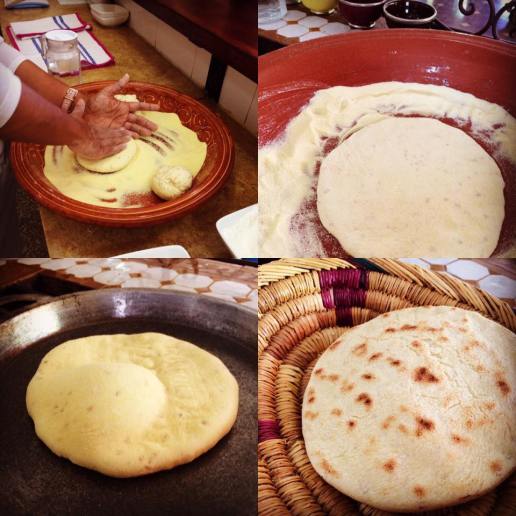
 The highlight of the class was the opportunity to meet Ilam. When touring Morocco most of the Moroccan people you interact with are men. Most of the waiters, tour guides and even hotel staff tended to be men, so I really appreciated the chance to chat with Ilam over lunch.
 Carmen Thyssen, a baroness through her marriage to her third husband Heinrich and Miss Spain in 1961, started collecting art in the 1980s using her husband’s fortune. She amassed a collection that includes Monet, Braque, Hassam, Rubens, Degas and many more. There has been a lot of social scandal concerning her collection since her husband’s death that make her life sound like a telenovela. In the museum, the walls are all salmon pink, it is SO bold and one of the requirements made by Carmen. In 2011, she also opened a museum in Malaga that focuses primarily on 19th century Spanish art.
 The nameless woman in The Hotel Room by Edward Hopper is a wonderful piece for a solo female traveler to contemplate. Here is what the museum has to say about this extraordinary work:
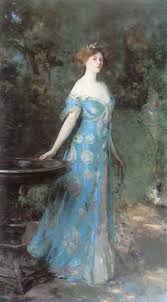 Duchess Millicent Sutherland painted by John Singer Sargent in 1904 was much more than a pretty face. A fierce advocate for social reform and better working conditions despite her social status, she was sometimes called ‘meddlesome Millie’. During WW1 she organized an ambulance unit and was recognized by the Belgium, French and British Red Cross for her work during the war. She was married three times and penned several novels. The 1926 review of her novel ‘That Fool of a Woman’ in The Saturday Review stated: The power of the book lies in an emotional but extremely intelligent style, in an analysis of character which is revealed as much by detail as by words, in a feeling for atmosphere (war-charged Europe is particularly real), but mostly in the fact that the heroine is a sentimental heroine with a brain. Never does she see her mistakes quite in time—but neither is she hopelessly stupid nor a wilful misrepresenter of unflattering fact. Lonely, lovely, sentimental creature that she is, very much too late she sees the wherefore and why of foolish choice and subsequent disaster.
 It’s my birthday, I am traveling (currently in Madrid) and one of the gifts I want to give myself is more time for writing … we’ll see how I do prioritizing this luxury.
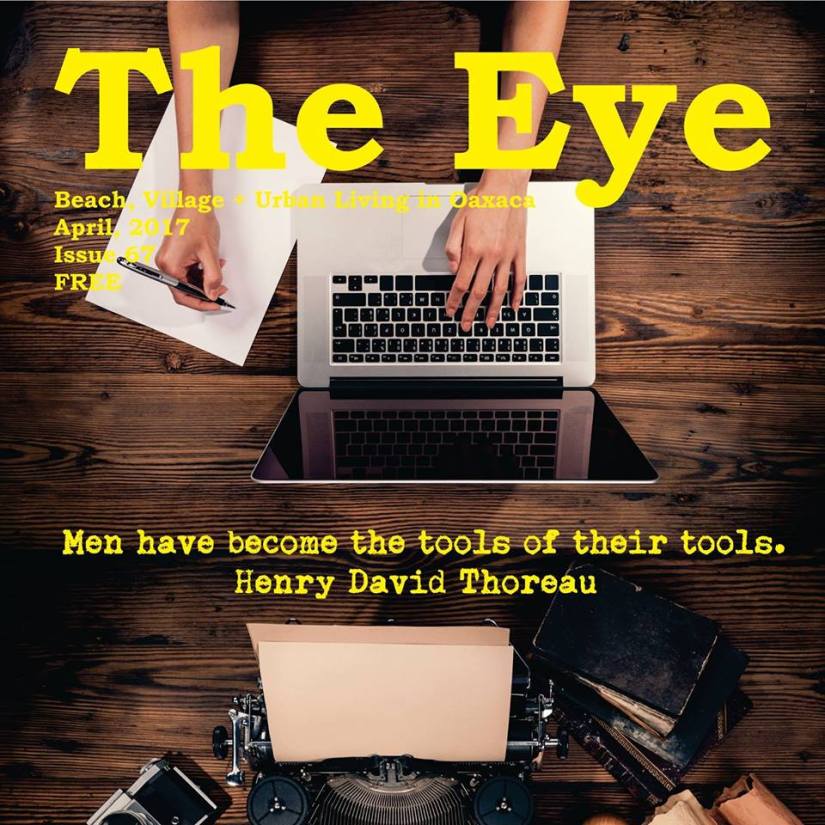 Editorial of the April issue of The Eye. Thanks for reading!
  Happy Love Month! This is my editorial from The Eye magazine this month. For those of you who don’t me personally, I am the editor of an English-language magazine in Mexico called The Eye, in addition to owning a restaurant and a cooking school. The magazine really allows me to explore different aspects of life in Mexico and connect with amazing writers and of course our readers. You can check out current and back issues online at
  Jane Bauer